

Find German war graves in Berlin: special sections in the city’s cemeteries hold soldiers, boys, and women who died in 1945. Here’s how to recognize them
Germany is committed to remembering all victims of World War II, including German soldiers who lost their lives in battle or as prisoners of war. Many of these soldiers are laid to rest in designated sections within Berlin’s cemeteries.
The German War Graves Act obligates states to honor the victims of war and tyranny, including victims of Nazi racial policies, concentration camp inmates, and other victims of the violent measures of the National Socialist regime.
The law also covers fallen soldiers, among them the Soviet soldiers buried in Schönholzer Heide and at the other Soviet memorials in Berlin, as well as the German soldiers this article is about.

Photo by Chrissie Sternschnuppe@Flickr. CC BY-SA.
How to Recognize a German War Grave
The graves of German soldiers are not very conspicuous. You need to know what you’re looking for to recognize them. Some are simply rectangular gravestones laid at an angle with a name, a birth date and a death date.
Others are mass graves, for example in memorial groves with a single memorial stone bearing the names of all the fallen soldiers.
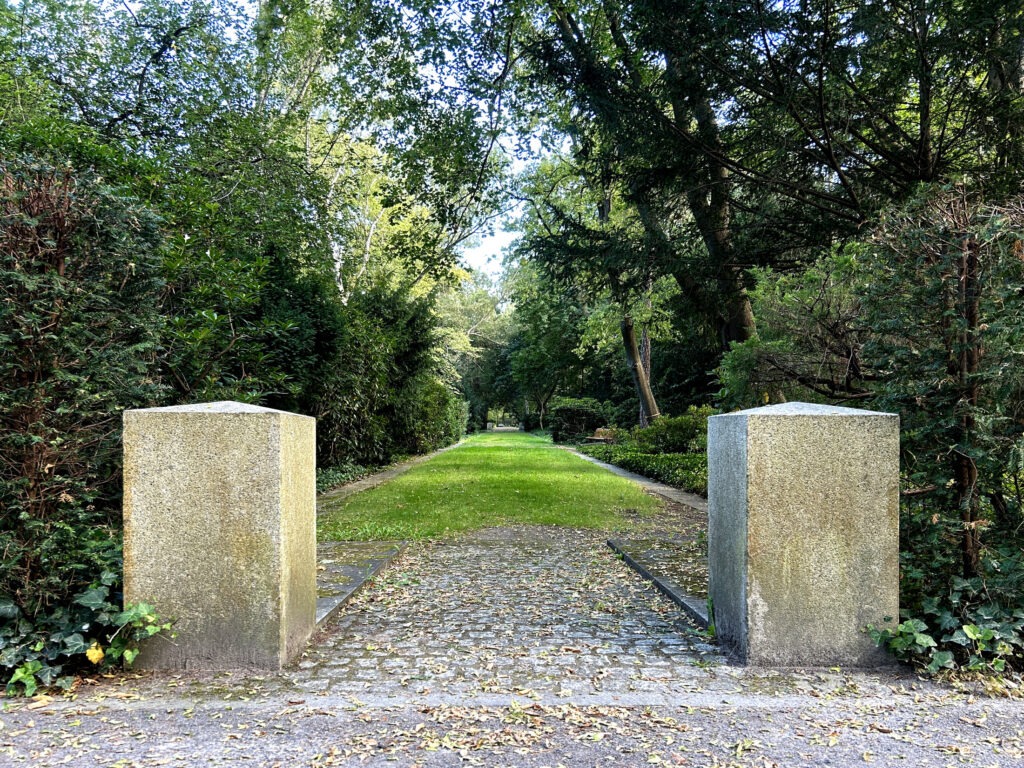
Photo by Chrissie Sternschnuppe@Flickr. CC BY-SA.
Not Everyone Buried Here Was a Soldier
However, not everyone buried in these sections died as a soldier.
There are sections with similar gravestones bearing dates of death ranging from from April , the start of the Battle of Berlin, to the weeks following the surrender of the Nazi regime. This is the period of the endgame of World War II in Europe.
The graves contain women, older men, and young boys.
The Volkssturm: Old Men and Boys at the Front
The older men and boys were part of the Volkssturm militia that fought against the Red Army in the last weeks of the war. Some were fanatics, while others were forced because the alternative was to be executed by the Nazi authorities.

Photo by Chrissie Sternschnuppe@Flickr. CC BY-SA.
Women in the Last Days of the War
Some women remained loyal to the Nazis because opposing the tyrannical regime could lead to imprisonment or death.
Additionally, many women committed suicide in the final days of the war out of fear of the violent fate that awaited them at the hands of Soviet soldiers.
SS Members and the Limits of Protection
Fallen SS soldiers are also buried in these sections, but none of the graves bear any indication of the buried person’s affiliation on the gravestone. All those who fell in the war are protected under the German War Graves Act. Nazi graves containing the regime’s top leaders are not protected under the German War Graves Act.
The law treats them all as victims of war and tyranny, but that doesn’t erase any individuals guilt.
Find War Graves Across Berlin
In Berlin and the surrounding area, there are approximately 170 cemeteries where around 150.000 victims of tyranny and war are buried.
Among the graves lie German, British, and Soviet soldiers, alongside Jews, Muslims and forced laborers.
Here you’ll find a map with all the gravesites of the victims buried in Berlin.

Location:
All over Berlin.
Find them on this map.
Family friendly: Yes
Price: Free
Related articles
The Uncomfortable Afterlife of Nazi Graves
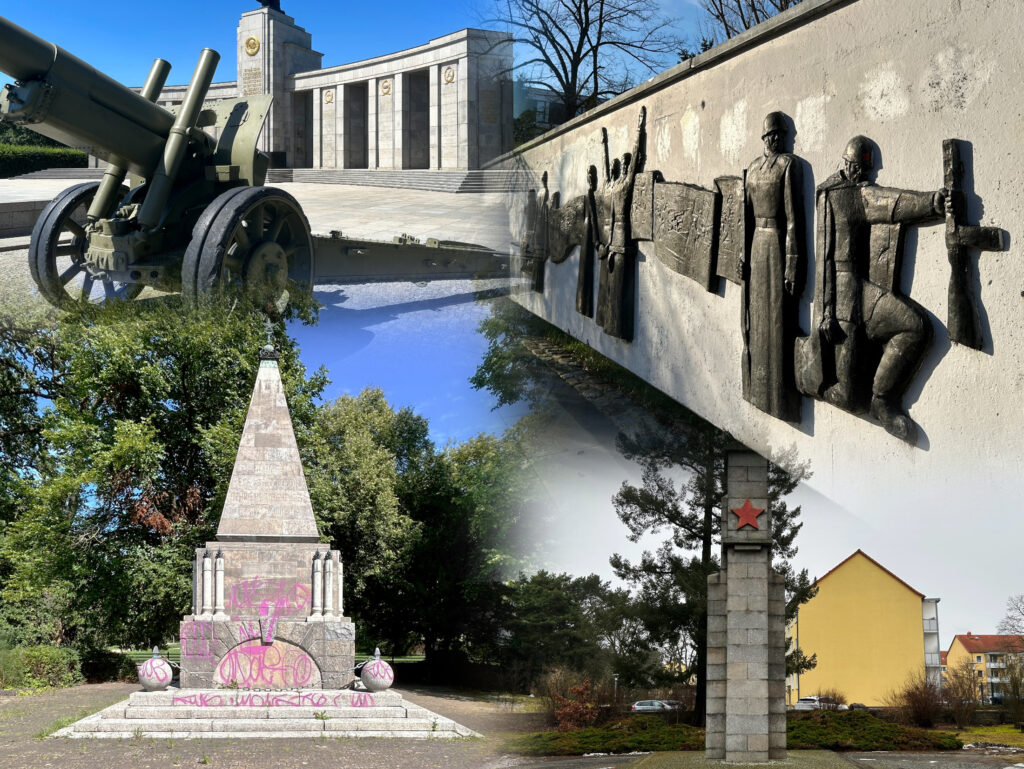
Soviet War Memorials in and around Berlin
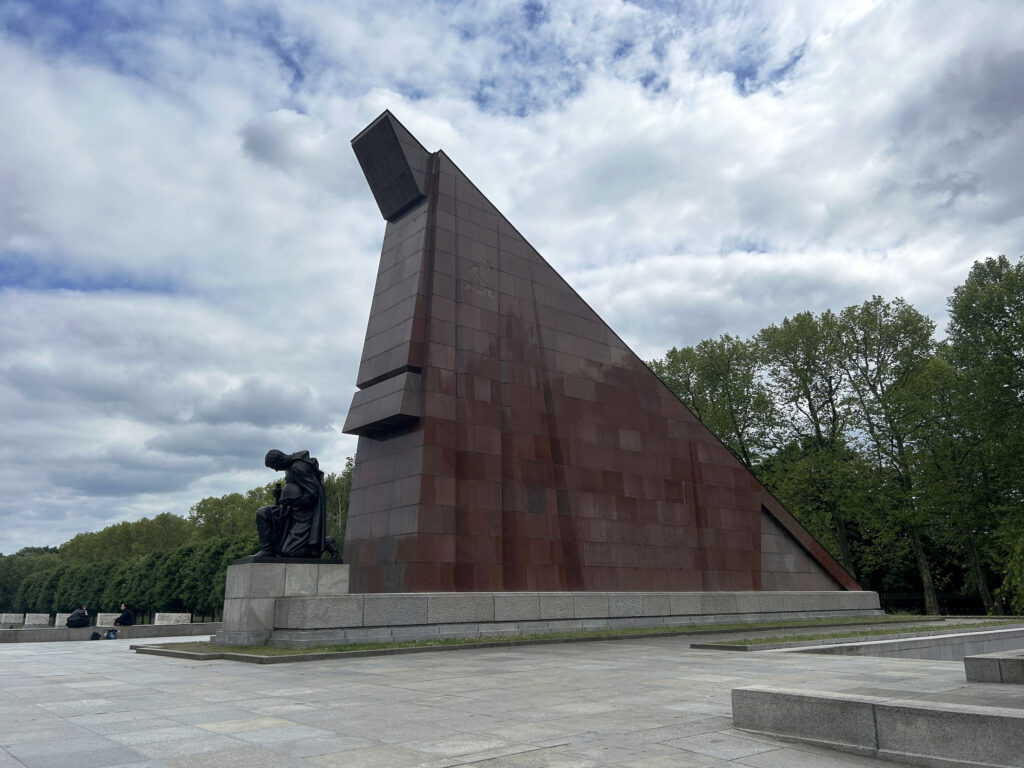
The Soviet War Memorial in Treptower Park

The Many Lives of Neue Wache
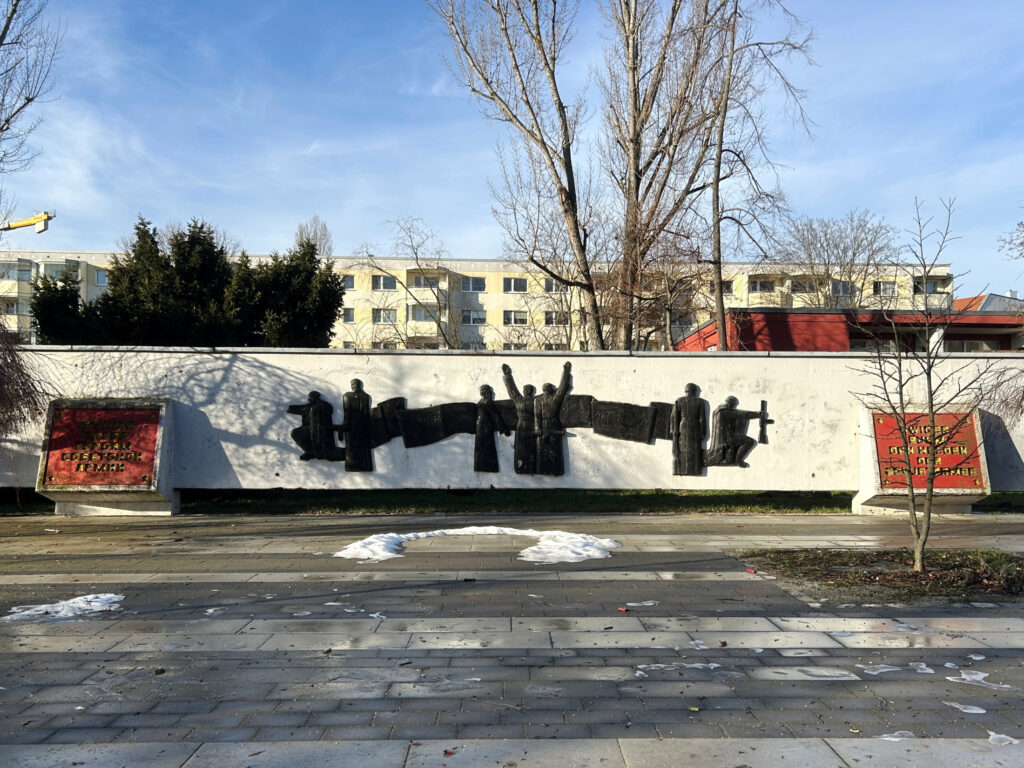
The Soviet War Memorial in Alt-Hohenschönhausen