
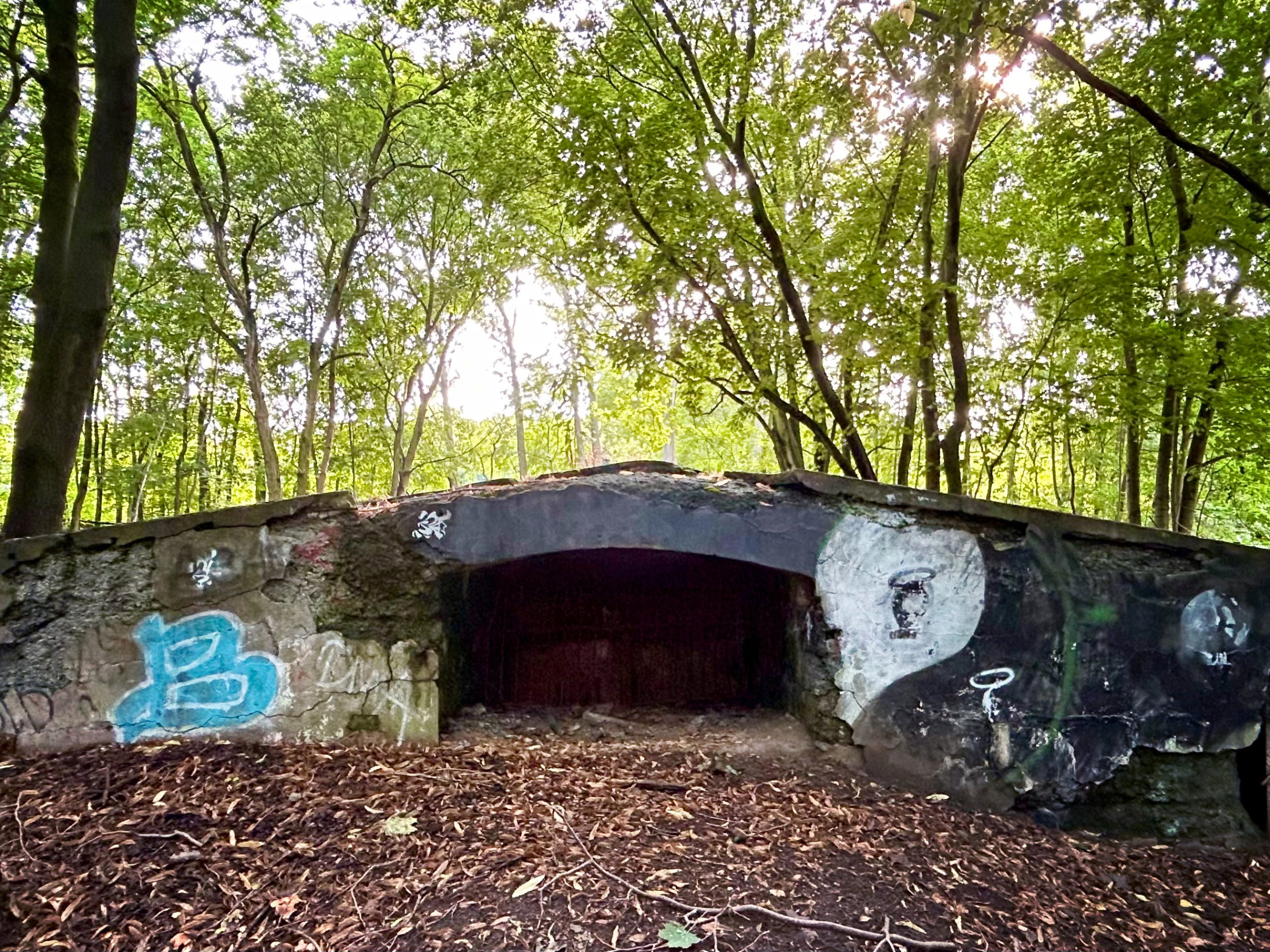
The bunker in Schönholzer Heide has a name associated with fun and amusement, but its history is actually one of death and suffering
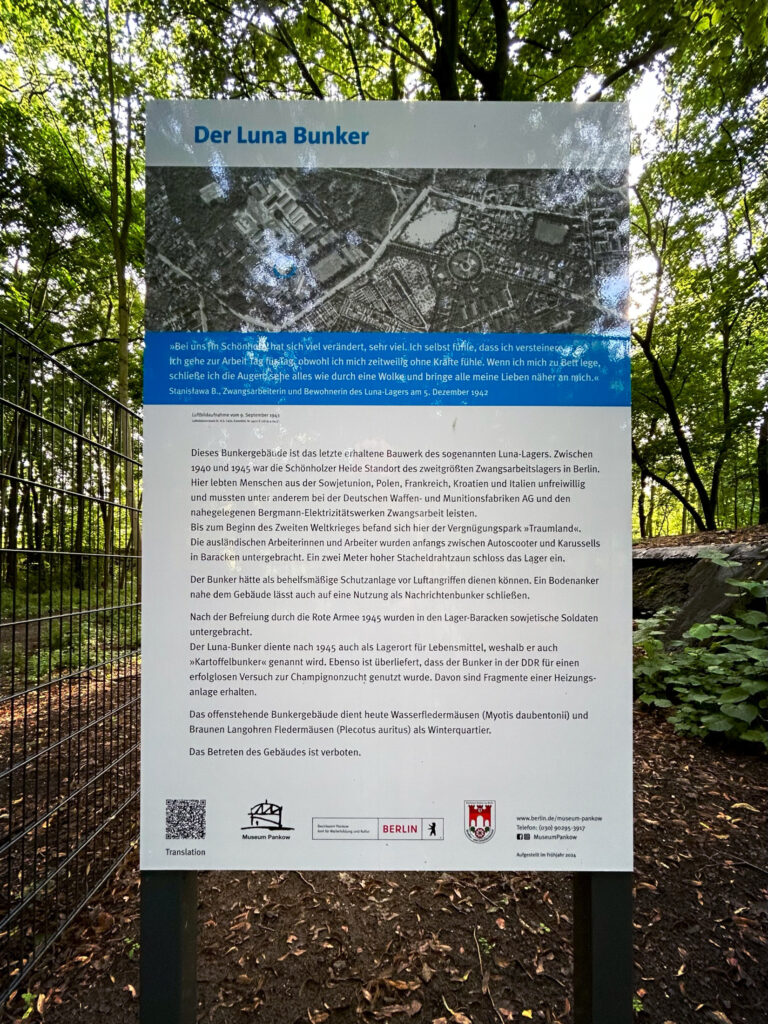
The Luna Bunker in Schönholzer Heide stands as the last surviving structure of Berlin’s second-largest forced labor camp from World War II, a site marked by suffering and death, ironically named after an amusement park.
Today, the bunker in Schönholzer Heide in Pankow is surrounded by a green, forest-like park. But it did not always look this way.
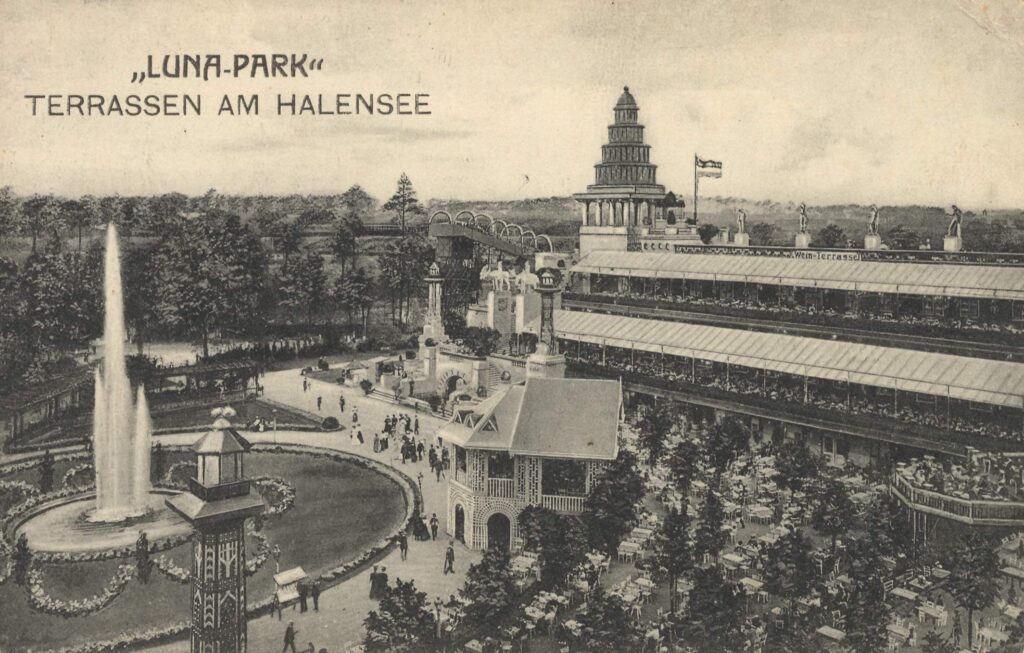
In 1936, the popular amusement park Lunapark moved from Halensee to this area and was renamed Traumland (Dreamland). Here, Berliners enjoyed the attractions and beautiful surroundings until World War II intensified in 1940.
Now weapons and ammunition were to be produced for the frontline, and the park was turned into a forced labor camp.
Forced laborers from the Soviet Union, Poland, France, Croatia, and Italy were confined in wooden barracks situated among abandoned amusement rides. The camp was called Luna Camp, named after the former amusement park in Halensee.
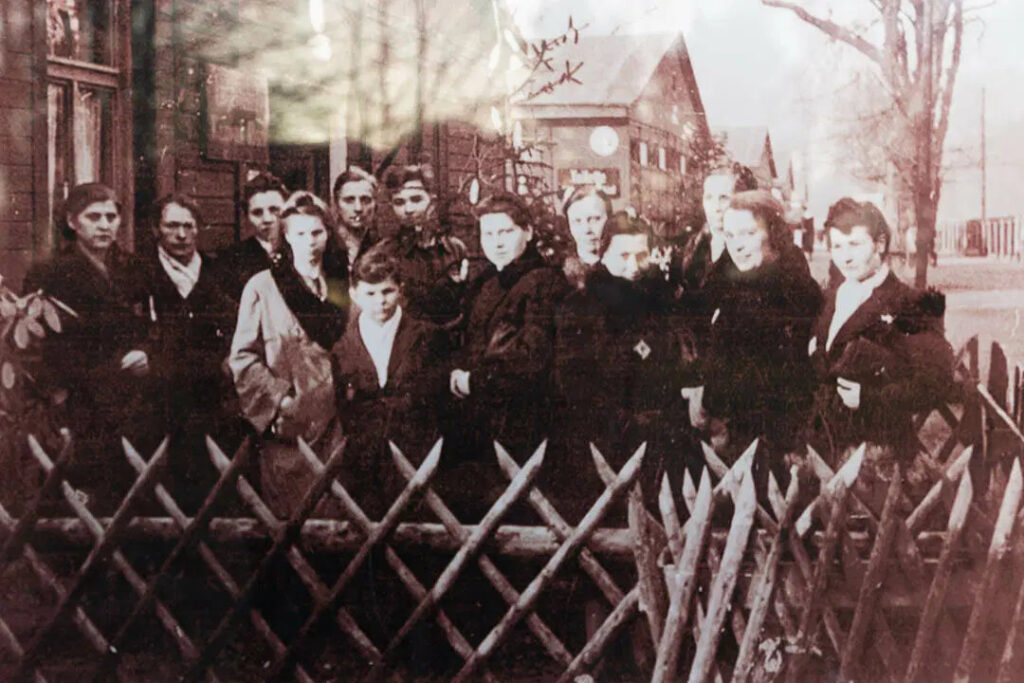
The forced laborers worked for Deutsche Waffen- und Munitionsfabriken AG (German Weapons and Ammunition Factory) and the nearby Bergmann Electric Works.
Many of these individuals came from the Soviet Union and were known as Ostarbeitern (East workers). Under the racist Nazi regime, they were regarded as subhuman. As a result, a significant number of them perished from malnutrition and disease while in the camp.
Deeper within Schönholzer Heide lies a memorial honoring 352 forced laborers who perished in the Luna Camp. The camp was liberated by Soviet troops in April 1945 during the Battle of Berlin.
The Luna Bunker in Schönsholzer Heide was one of the three bunkers located within the camp.
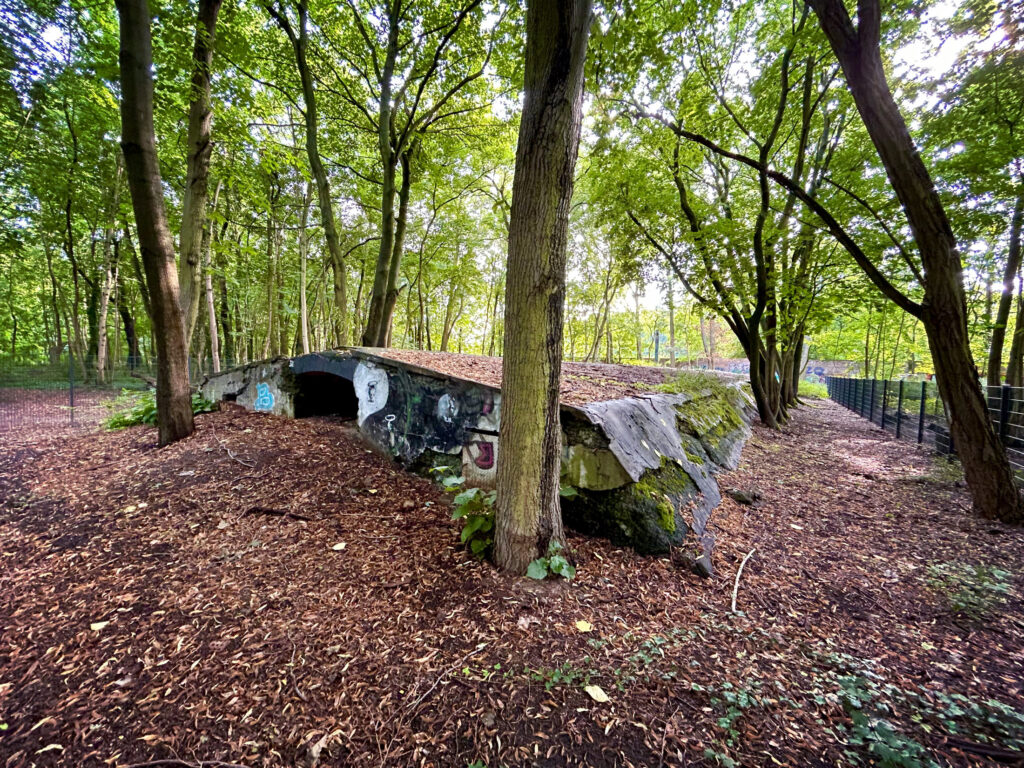
Photo by Chrissie Sternschnuppe@Flickr. CC BY-SA.
The other two bunkers were destroyed after World War II, leaving the Luna Bunker as the sole remaining testament to the suffering endured here from 1940 to 1945.
The bunker served as protection against Allied air raids and shows evidence of being used as a communications center.
After 1945, the bunker was repurposed for vegetable storage, earning it the nickname ‘potato bunker.’ At one time, an attempt was also made to grow mushrooms inside.
The Luna Bunker in Schönholzer Heide is closed to the public as it serves as a habitat for two colonies of protected bats native to Berlin.
Location:
Schönholzer Heide
Pankow
Family friendly: Yes
Price: Free
Experiences nearby
Related articles
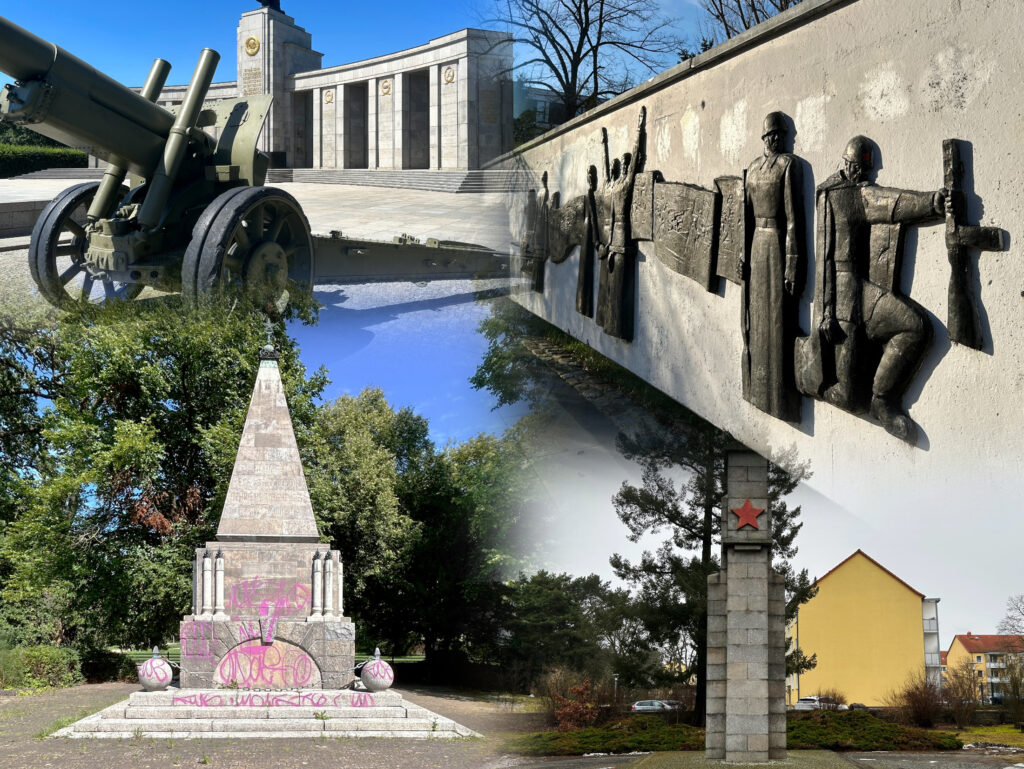
Soviet War Memorials in and around Berlin

The Soviet War Memorial in Schönholzer Heide