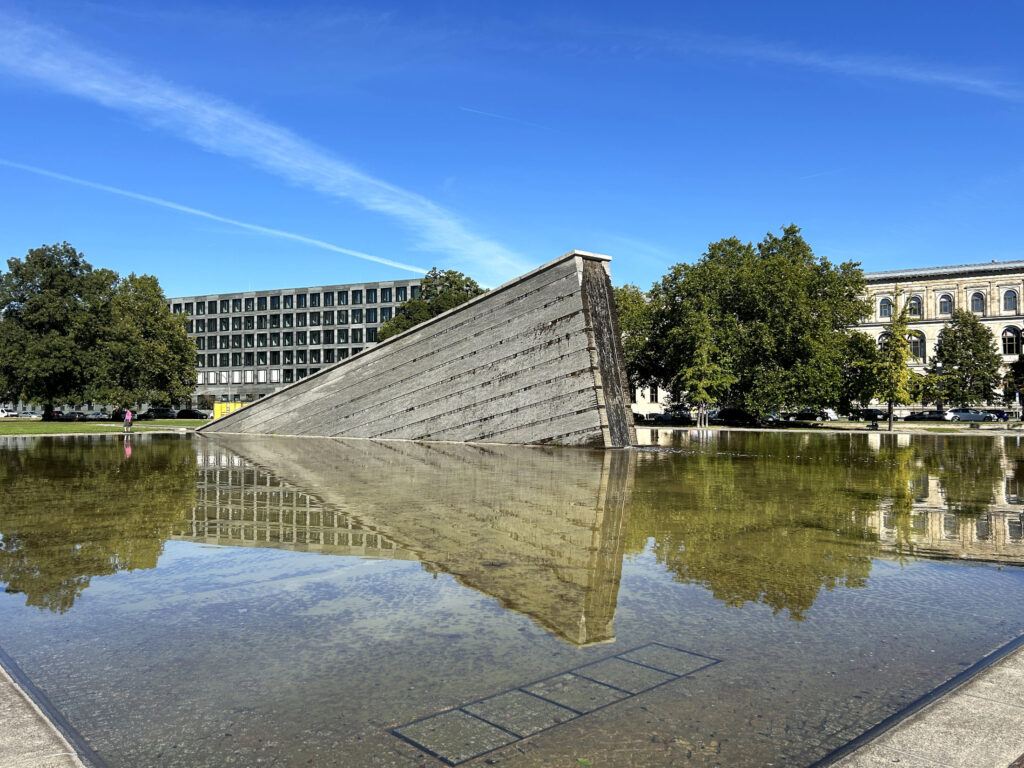
The Chapel of Reconciliation stands as a memorial to the victims of the Berlin Wall and the Reconciliation Church, which was demolished in 1985
Along the Berlin Wall Memorial on Bernauer Straße stands the Chapel of Reconciliation. It is a small, round wooden building with a concrete core adorned with a crucifix. The chapel holds services for the victims of the Berlin Wall, and its shape is no coincidence.
The Chapel of Reconciliation has the same shape and size as the choir of the church that once stood right here on the former death strip.
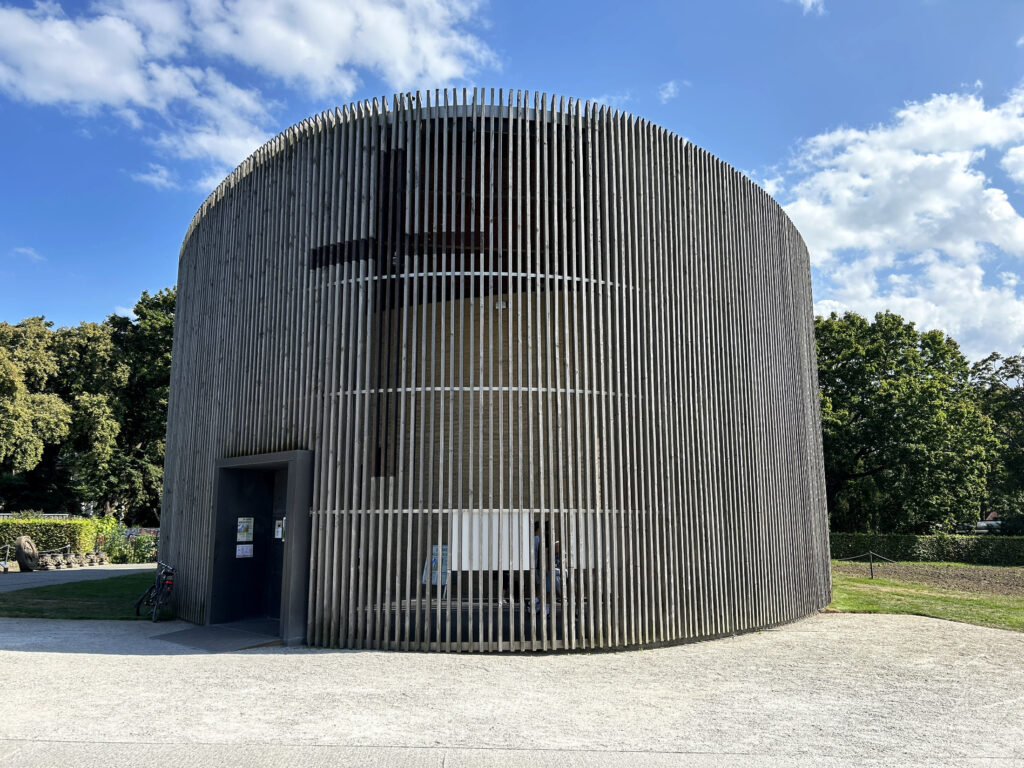
Photo by Chrissie Sternschnuppe@Flickr. CC BY-SA.
The Church of Reconciliation, as it was called, was built in 1892 in neo-Gothic architecture with a 75-meter-high church tower. The church congregation that followed was also enormous. At the end of the 1920s, the congregation had members.
After the division of Germany, the Church of Reconciliation was located right on the border between the French and Soviet sectors.
The church continued to hold services until 1961, when the Berlin Wall was built. The church then ended up in the so-called death strip, with the border wall on one side and the inner wall on the other.
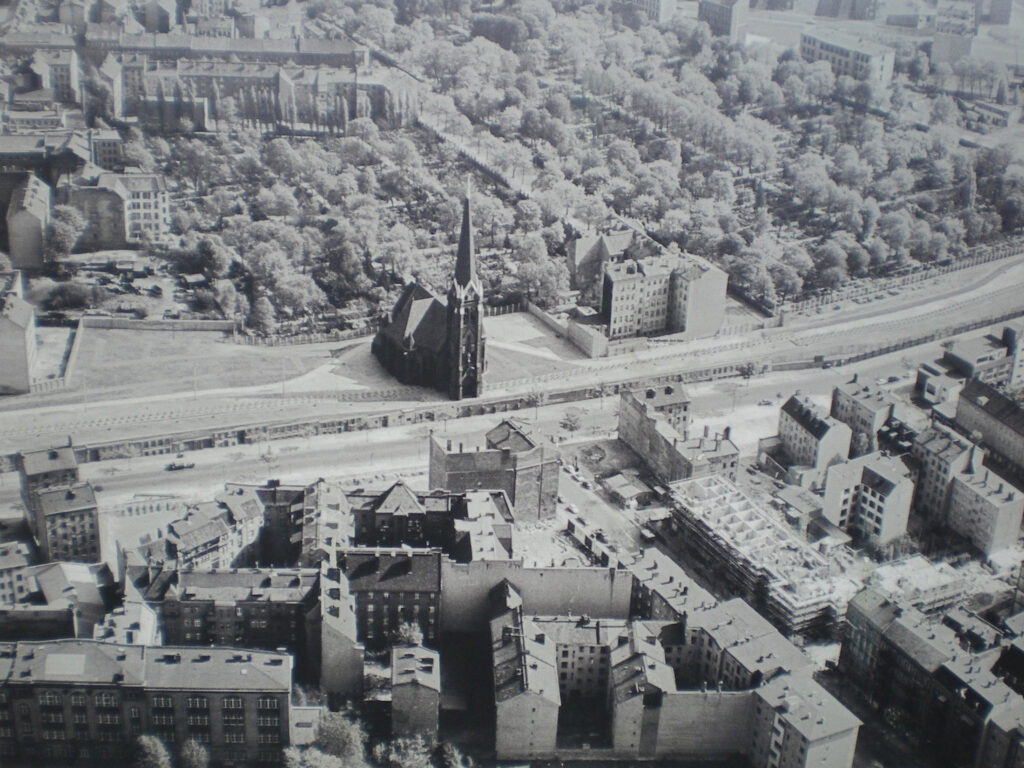
1970, Public Domain.
Kirketårnet blev fortsat brugt. Grænsevagter med maskingeværer havde et godt overblik over dødstriben deroppefra.
On January , it was over. The GDR government demolished the church by blowing up the main part of it. The church tower remained standing for six days, and then it too was blown up, falling onto the death strip and disappearing in smoke and dust.
When work began on the Berlin Wall memorial along Bernauer Straße in the late 1990s, the Chapel of Reconciliation was built and opened in 2000.
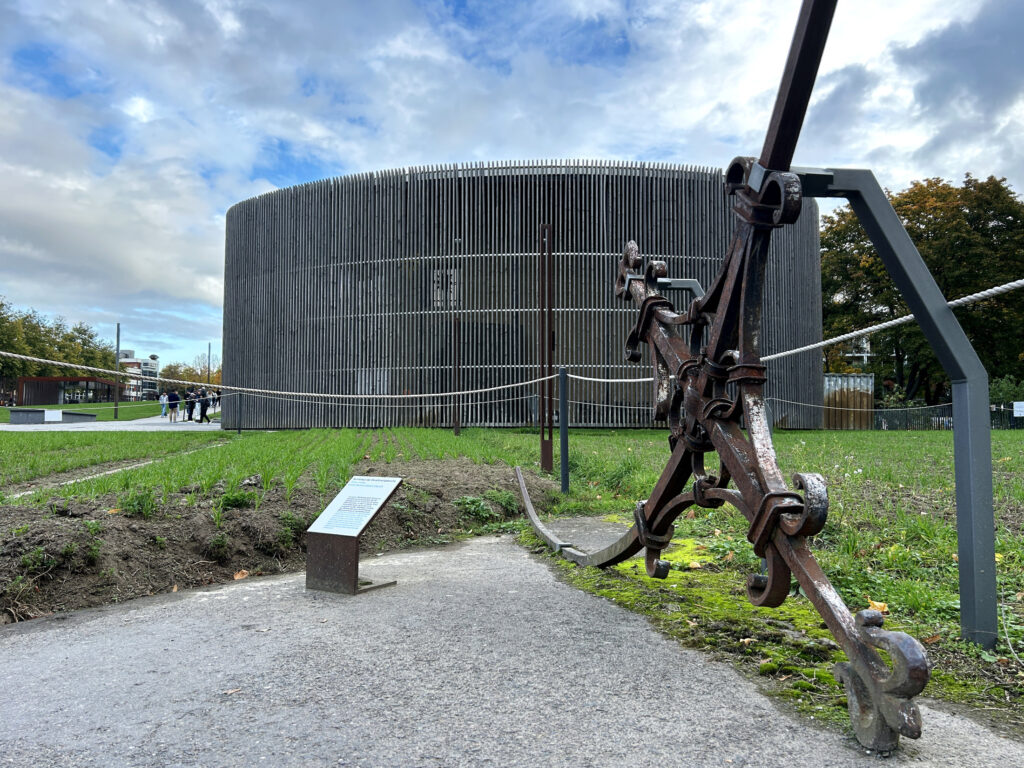
Almost miraculously, someone had preserved the spire from the old church tower, and it now lies where it fell, next to the chapel.
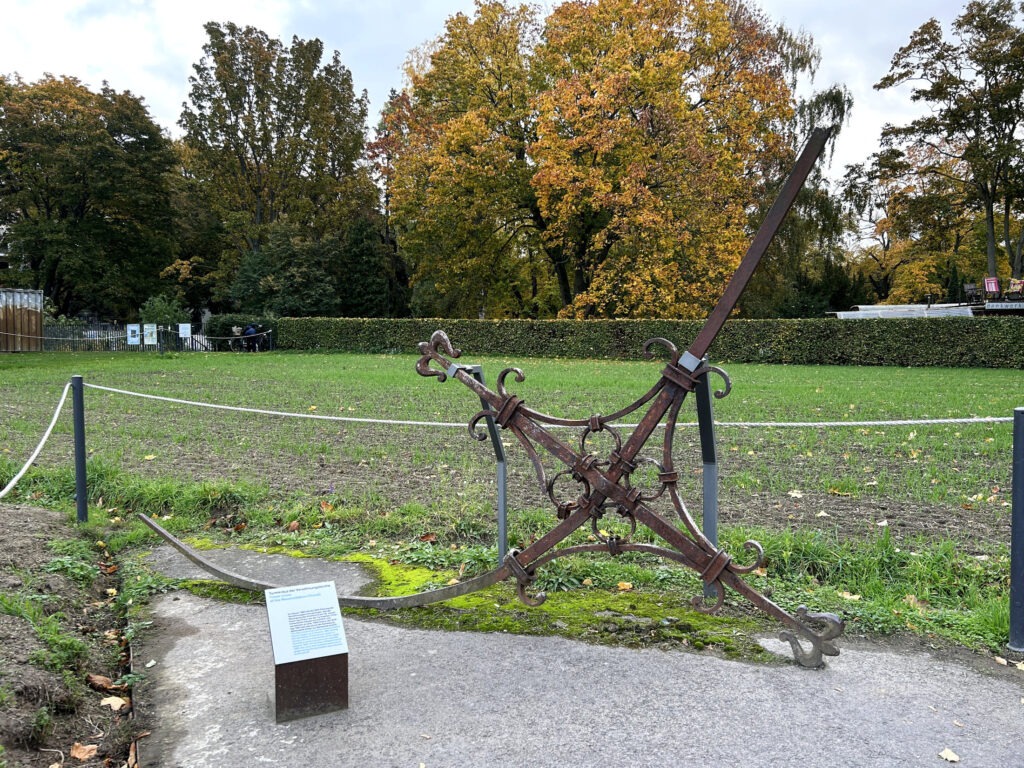
Photo by Chrissie Sternschnuppe@Flickr. CC BY-SA.
Several relics, including a hand-carved wooden cross from the original church, have also been preserved and can be found inside the chapel. Even the walls of the chapel contain rubble from the old church.
The church bells from the 75-meter-high church tower stand outside, and when the chapel holds services for the victims of the Berlin Wall, the old bells still ring.
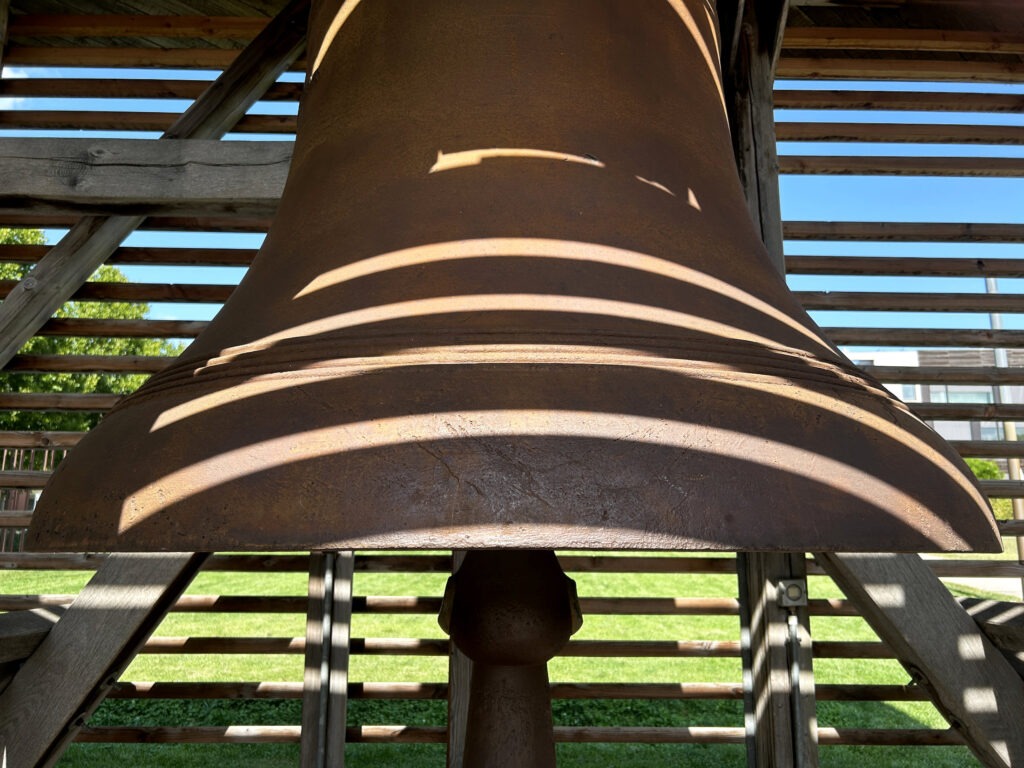
Photo by Chrissie Sternschnuppe@Flickr. CC BY-SA.
Furthermore, since 2005, there have been two rye fields on either side of the chapel. The fields were planted based on an idea by local artist Michael Spengler. Rye is used to make wafers for church services in the chapel.
The wafers symbolize Jesus’ body in the Eucharist, or the last meal before the crucifixion. It is life that is celebrated today on the former death strip, where life was once taken.
Location:
Bernauer Straße 4
10115 Berlin
Family friendly: Yes
Price: Free
Experiences nearby
Related articles
4 + 1 Ruins From World War II You Can Visit in Berlin
Soviet War Memorials in and around Berlin